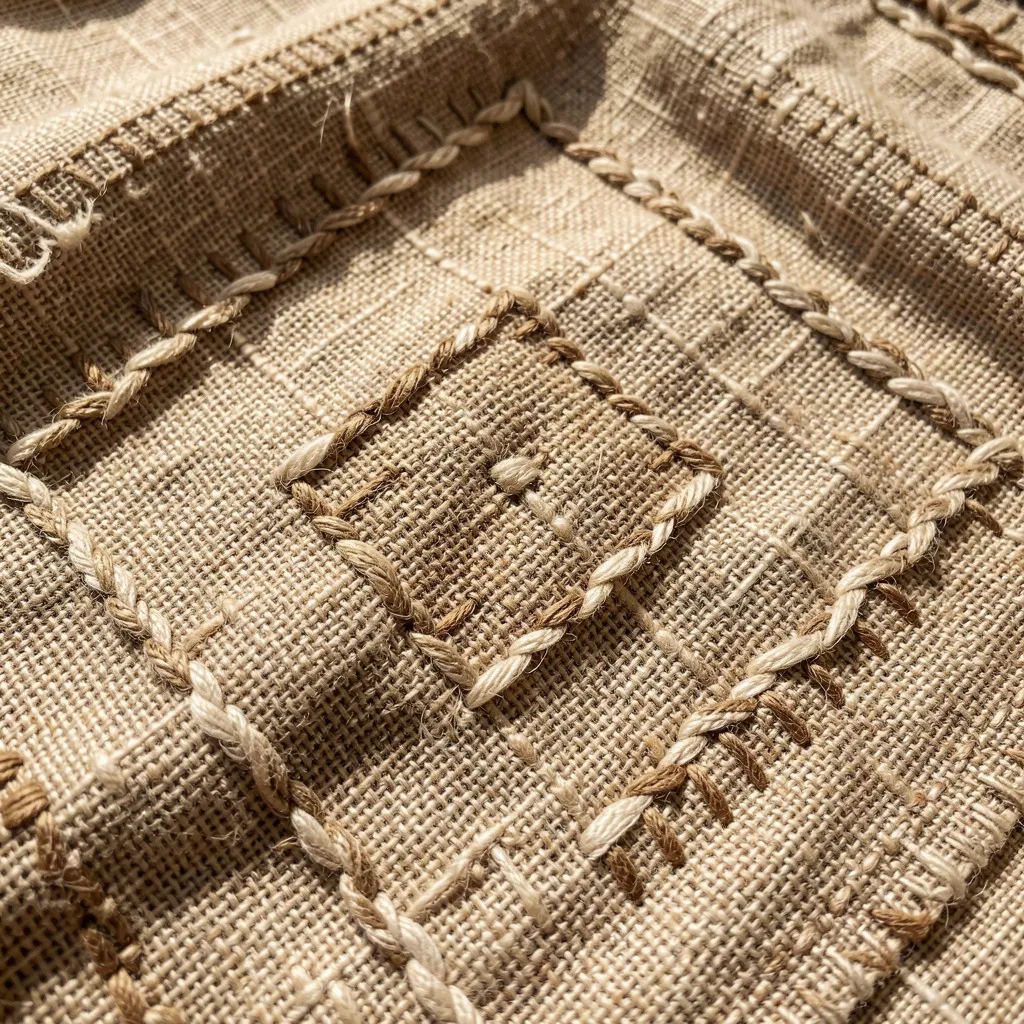
Material Selection
Our fiber library represents years of research and testing. Each material has been evaluated for its performance characteristics, including tensile strength, drape quality, heat retention, and color absorption properties.
Merino Wool
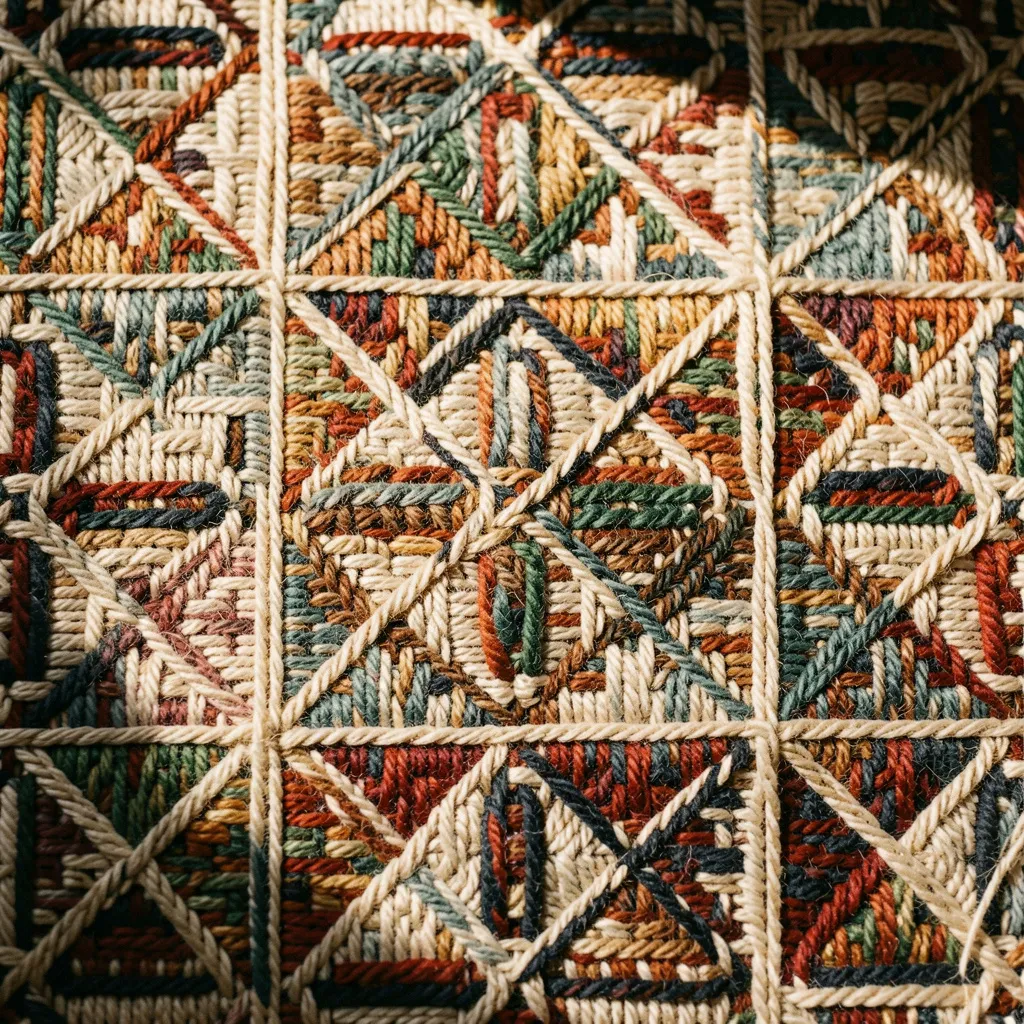
Fiber Characteristics
Merino wool fibers are known for their fine diameter, typically ranging from 17 to 24 microns. The natural crimp structure provides excellent elasticity and resilience, making it ideal for textiles that require both comfort and durability.
Physical Properties
Tensile Strength: High, with good recovery after stretching.
Drape: Moderate to soft, depending on yarn construction.
Heat Retention: Excellent natural insulation properties.
Moisture Management: Absorbs up to 30% of its weight in moisture without feeling wet.
Applications
Merino wool is particularly suited for textiles intended for temperature regulation, such as blankets, throws, and upholstery fabrics. Its natural properties make it a preferred choice for projects requiring both aesthetic appeal and functional performance.
Mulberry Silk
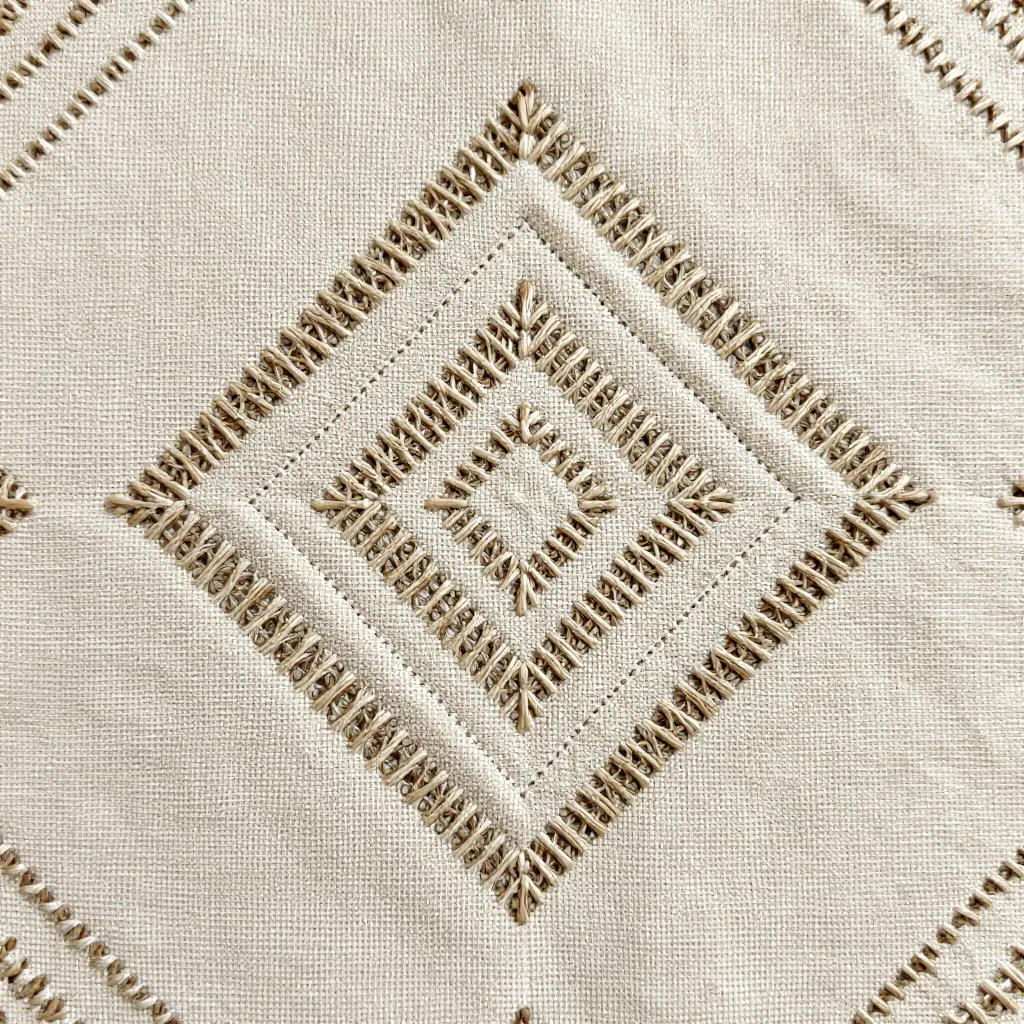
Fiber Characteristics
Mulberry silk is produced by the Bombyx mori silkworm, which feeds exclusively on mulberry leaves. This results in the finest quality silk with uniform fiber diameter and exceptional luster. The continuous filament structure provides smoothness and strength.
Physical Properties
Tensile Strength: Very high when dry, moderate when wet.
Drape: Excellent, with natural fluidity and movement.
Heat Retention: Moderate, with good temperature regulation.
Surface Texture: Smooth and lustrous, with natural sheen.
Applications
Silk's luxurious drape and visual appeal make it ideal for decorative textiles, wall hangings, and high-end upholstery. Its natural sheen adds depth and richness to woven patterns, creating textiles that are both elegant and functional.
Organic Flax
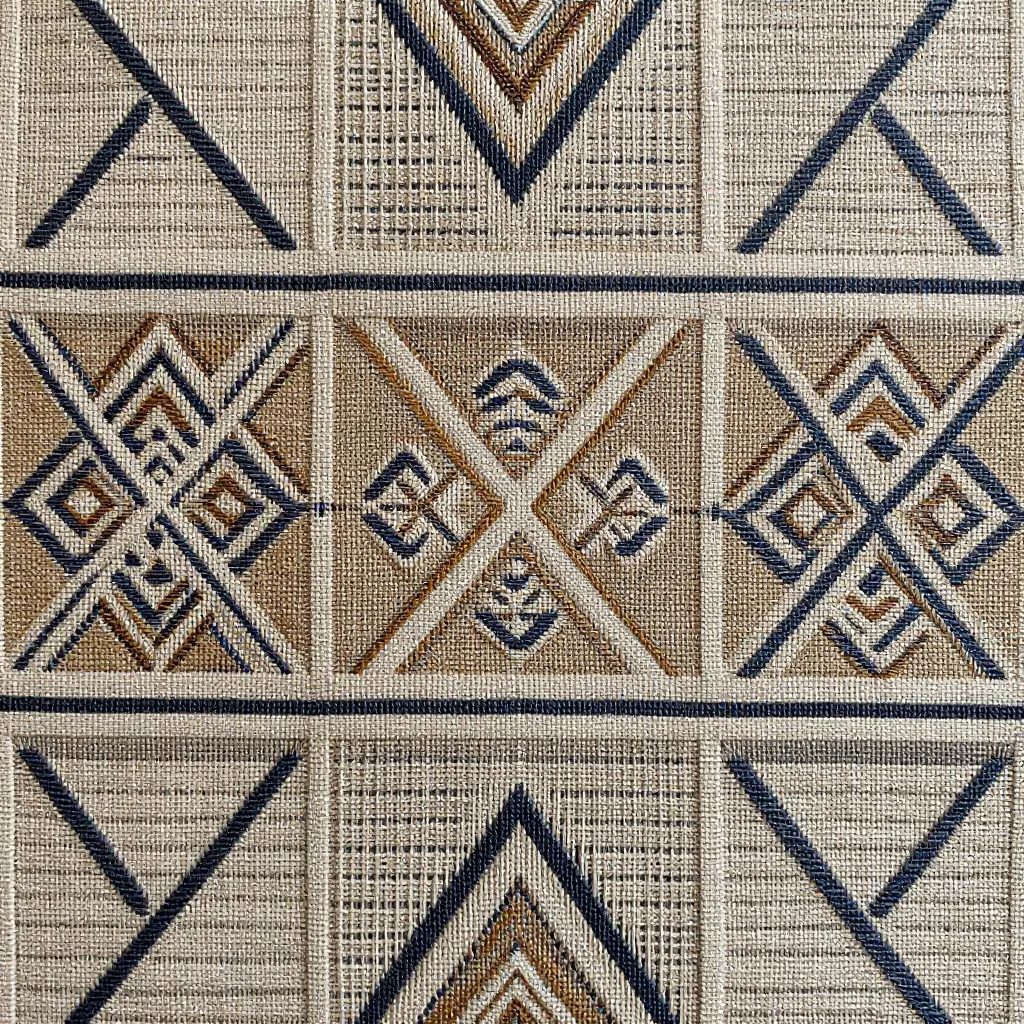
Fiber Characteristics
Flax fibers are extracted from the stem of the Linum usitatissimum plant. The long, strong fibers are processed to create linen yarns with excellent breathability and natural texture. Organic certification ensures sustainable growing practices.
Physical Properties
Tensile Strength: Very high, strongest when wet.
Drape: Crisp to moderate, depending on yarn weight.
Heat Retention: Low, excellent for warm climates.
Moisture Absorption: Rapid absorption and quick drying.
Applications
Flax is particularly well-suited for textiles that require strength and breathability. Its natural texture and earthy appearance make it a popular choice for contemporary designs that emphasize material authenticity and environmental consciousness.
Comparative Analysis
Selection Criteria
When choosing materials for a project, we consider the intended use, environmental conditions, aesthetic requirements, and maintenance considerations. Each fiber brings unique advantages that can be combined or used individually.
Blending Possibilities
Many of our textiles combine multiple fiber types to achieve specific properties. For example, wool and silk blends offer both warmth and luster, while flax and silk combinations provide strength with elegant drape.
Quality Assurance
All materials in our library undergo testing for consistency, colorfastness, and performance characteristics. We maintain detailed records of each batch to ensure quality standards are met throughout production.